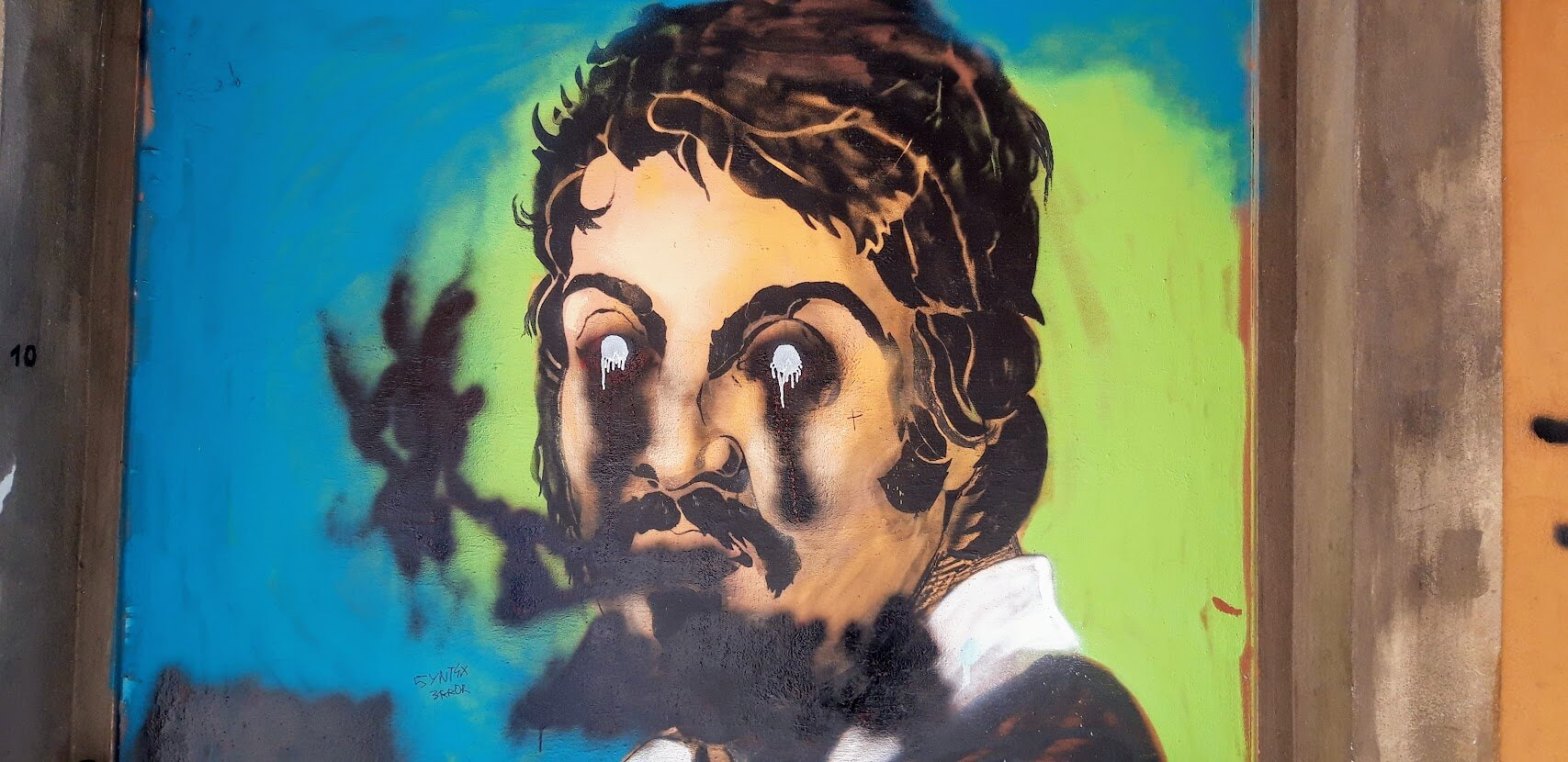
Michelangelo Merisi, known as Caravaggio, was the original bad boy, the enfant terrible of Italian painting. Born in Milan in 1571, seven years after the death of the other Michelangelo, for whom he was named, he revolutionised religious painting, often shocking the establishment and the Church by using prostitutes as models and depicting everyday, often sordid scenes as a backdrop for Biblical subjects, in sharp contrast to the lofty treatment of religious themes in Mannerist paintings.
His tragically brief life was like one of his canvases: bold, dramatic, baroque, steeped in blood and sex, alternately heroic and sordid, dominated by chiaroscuro – sadly more scuro than chiaro.
Caravaggio came to live and work in Rome in 1592 and remained there until 1606, when he was forced to flee to Naples, Malta and Sicily after killing a man.
Let Marnie take you on her special Caravaggio Pilgrimage, an artistic and gastronomic tour of the Eternal City.
Good to know It’s designed as a walking tour: each day features several sites that are within reasonable walking distance of one another. But if you’re not a particularly strong walker, you can take the bus or metro, and you don’t have to do the tour in the same order as suggested; you could start with Day 3, for example.
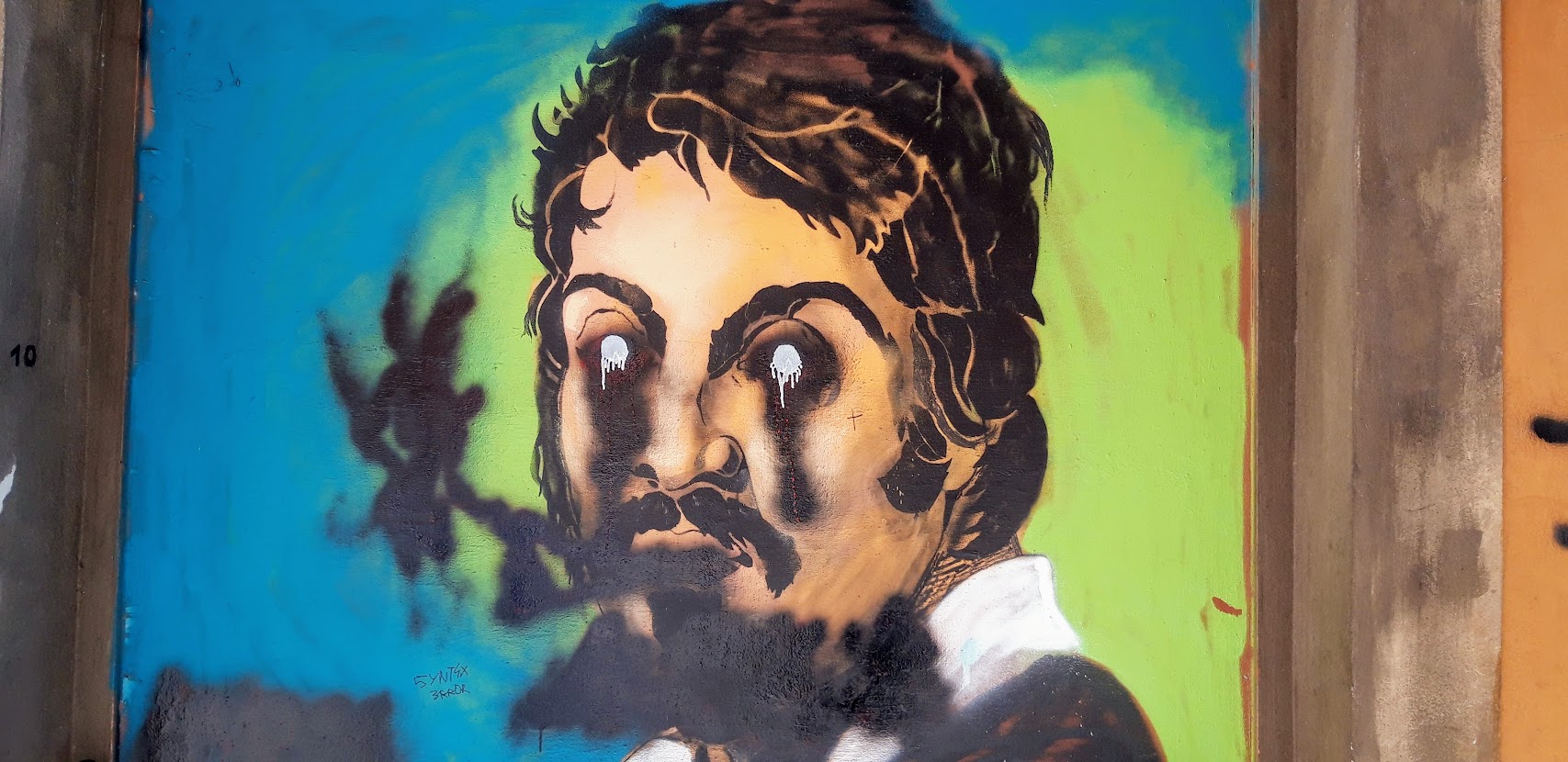


“It had all started after her work trip to Naples a month ago: her Caravaggio obsession. Admittedly, her initial enthusiasm had stemmed more from a prurient fascination for his rock ‘n’ roll lifestyle – the legions of whores and catamites, the feuding, the bar-room brawls and his inevitably violent and untimely demise – than from an interest in art history. But her thirst for the former had soon led to a genuine curiosity for the latter… Suddenly a still life was no longer merely a collection of flowers, fruit and other victuals for her to admire superficially, but a myriad of symbolism. For there in the figs and grapes and jasmine was sex and death and resurrection!”

To read on, click here to purchase the novel from Amazon
Caravaggio, St Jerome (Galleria Borghese, Rome)
 Susan Turbie